Cultivating Independence: An Update on “Let Grow” at Keys
January 22, 2026

Dear Families,
At Keys, we believe free play and unstructured downtime are essential to developing the Whole Person. We purposely provide the time, space, and materials for imaginative, unstructured exploration and intentional “body breaks” throughout the day. There are even times when homework consists of PDF (Playtime, Downtime, and Familytime). Each of these moments allows students to build the confidence and self-reliance they need to navigate the world with confidence and independence.
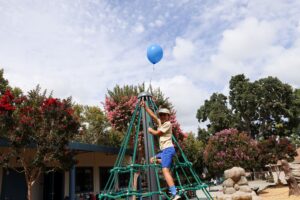
In recent decades, research has shown that children’s unstructured and independent play has declined. While we, as parents, aim to keep children safe, the constant supervision and the removal of small risks—like climbing a tall slide or spinning fast on a merry-go-round— can inadvertently remove the opportunities for children to learn their own limits. To help reclaim this vital sense of self-reliance, our Lower School introduced the “Let Grow” program this past August. Each month, students are challenged to “Go home and do something alone.”
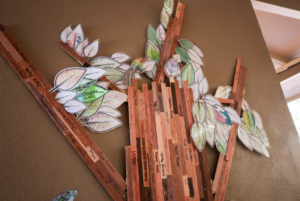
From doing the laundry to sleeping in a backyard tent, these child-driven challenges are helping students realize, “I can do this myself.” They are overcoming fears and learning new skills. “It was scary at first, but now I know how to make my own breakfast.” You can see students’ reflections on the tree growing on the wall outside the Lower School Library.
Stepping back can be daunting for parents, too. We often worry: What if they fall? What will other parents think? To address these feelings, we host monthly “Let Grow” Meet-Ups. At these meetings, families share triumphs, funny anecdotes, and struggles they are facing. Families have shared how shifting from constant supervision to “coaching from the side” has impacted their homes:
“It was hard to let go at first, but when I saw that nothing bad happened, that put me at ease. Each day, it became easier for me to step back.”
“I learned that I need to give them more time to do things instead of rushing and doing them myself. They are more willing to take responsibility than I expected.”

It is natural to worry about safety or social pressure. We address these fears by shifting from a mindset of protection to one of preparation. Instead of removing every risk, we teach students the life skills to manage them—such as bike safety, understanding traffic patterns, and identifying safe routes.
Independence is a journey, not a race. We encourage using scaffolding—breaking big goals into manageable steps. For example, if the goal is independent grocery shopping:
Step 1: Shop together, but let the child find all the items.
Step 2: Wait at the front of the store while the child retrieves a few items.
Step 3: Wait in the car while the child enters the store alone.
Together, we can step back and empower our children to make their own choices, take initiative, and take small risks, helping students build confidence and resilience. By trusting our children today, we are empowering them to solve problems and regulate their emotions, and giving them the foundation of self-reliance they will need for the rest of their lives.
Thank you for being our partners in making childhood independence “normal” again.
Resources:
“Let Grow” website
The Art of Trusting Your Child – Children’s Health Council (CHC) Voices of Compassion Podcast
Jonathan Haidt On How to Solve the Teen Mental Health Crisis – Center for Humane Technology Podcast
Warmly,
Betsy Doss
Head of Lower School