The Story Our Campus Is Telling
September 23, 2026
Dear Keys Families,
Some of the stories we love most as children begin with something small: a handful of seemingly ordinary beans, a first step along a yellow brick road, or one ingredient added to a common pot. Page by page, those small beginnings grow into something larger—often something none of the characters could have imagined or created alone.
Our campus tells a similar story.
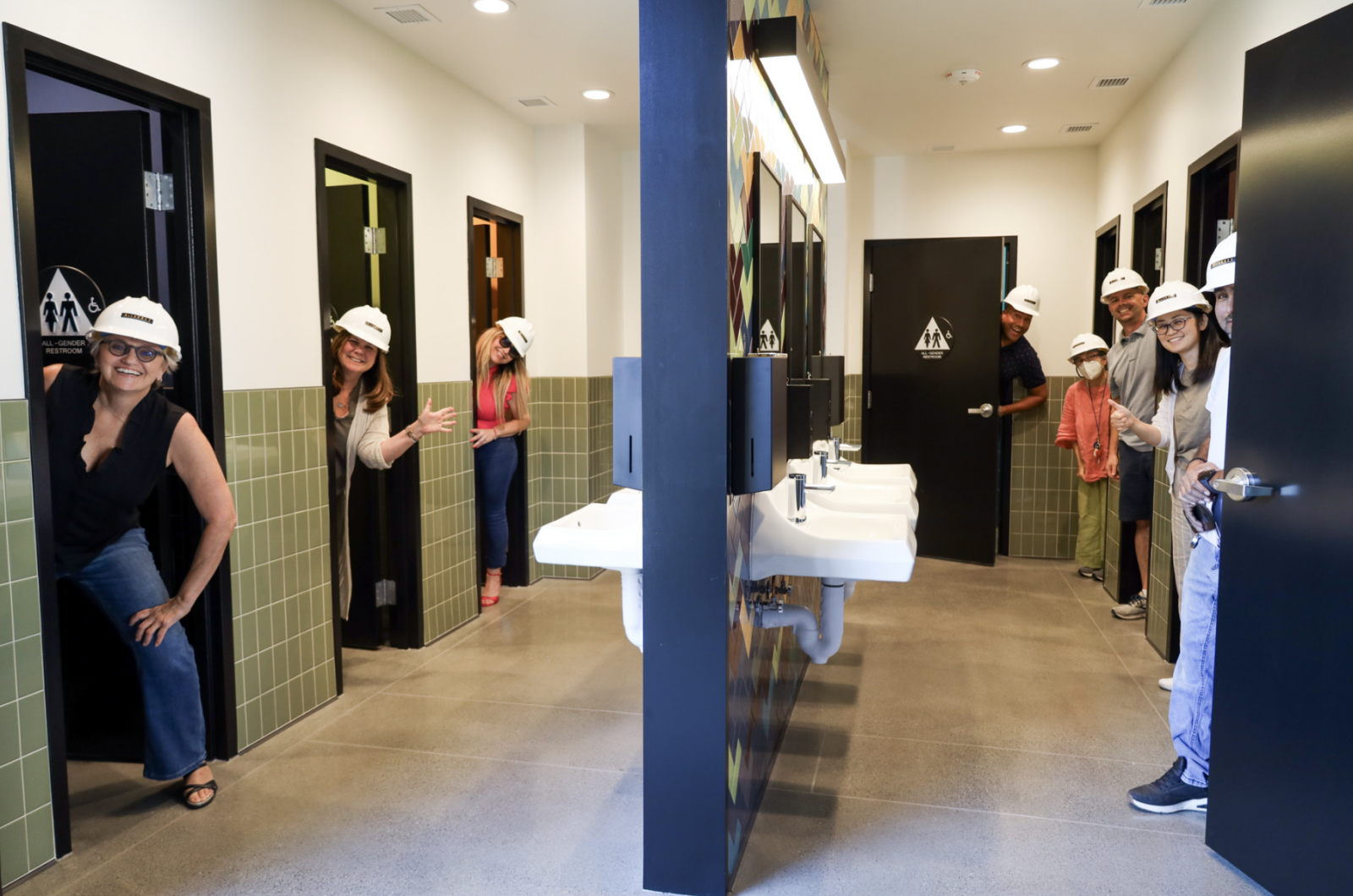
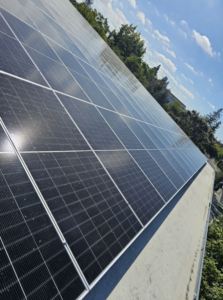
You can see it now in the solar panels stretching across our rooftops and quietly turning California sunshine into energy. You can see it in two new school vans replacing vehicles that had faithfully served Keys since 1999. It is there in the all-gender restrooms at the Middle School, the new staff lounge at the Lower School, and the electric-vehicle chargers available to employees at no cost.
Each project began with a particular need. Together, they tell a larger story—one of growth, stewardship, belonging, and a community continually finding new ways to bring its values to life.
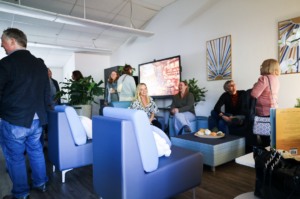
Our Middle School all-gender restrooms help foster a more inclusive and welcoming environment. The Lower School staff lounge gives our faculty and staff a place to pause, connect, and recharge during days devoted so fully to caring for our students. The EV chargers make a more sustainable commute possible for members of our team.
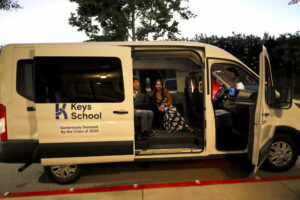
The new school vans may not have the architectural presence of solar panels, but they represent something equally important: an investment in safety, reliability, and the experiences our students and teachers share when learning takes them beyond our campuses. And after faithfully serving Keys since 1999, their predecessors had certainly earned their retirement.
At first glance, these projects may seem unrelated: a restroom, a gathering space, a charging station, a school van, a rooftop array. But a common thread runs through them. Each brings our physical environment and resources into closer alignment with our values.
Buildings—and the systems that support them—tell a story. They reveal what and whom we have considered. They can convey a sense of belonging, invite connection, and make room for new possibilities. The choices we make about our campuses are therefore never only about facilities. They are also about people, purpose, and the future we are preparing our students to enter.
At Keys, we ask students to be curious, thoughtful, courageous, and attentive to the world around them. We want them to understand that their choices have an impact and that meaningful progress often begins by noticing what could be better—and then doing something about it. Our campuses should model that same mindset.
The addition of solar energy is one way we are putting those ideas into practice. It reduces our environmental footprint, makes responsible use of our resources, and gives students a visible example of sustainability in action. The panels may work quietly above us, but the lesson they offer is clear: stewardship is not simply something we discuss. It is something we do.
None of this progress happens alone. Donor generosity made the solar panels, new vans, and Lower School staff lounge possible. Our work with the City of Palo Alto brought the EV chargers to campus. These projects are meaningful not only because of what they provide, but also because they reflect what can happen when people contribute their ideas, resources, and partnership to a shared purpose.
Perhaps that is why those childhood stories stay with us. The beans are never just beans. The road is never merely a road. And the smallest contribution to the pot can help nourish an entire community.
The story of Keys is still being written—in the classrooms where our students learn, in the spaces where they feel they belong, and in the thoughtful choices we make about our future. Each improvement adds another page. Each act of generosity and partnership helps move the story forward.
And, as with any good story, we cannot help but wonder what might be waiting on the next page.
What new possibilities could we create for learning and connection? How might our physical spaces more fully reflect the extraordinary education taking place within them? What could become possible if we allowed ourselves to imagine, together, not only what Keys is today, but also what it might yet become?
As Yoda wisely reminds us, “Difficult to see. Always in motion is the future.”
For now, those questions are an invitation to dream. But if you look around—and look up—you can already see that the next chapter has begun.
Warmly,
Cathie Whalen
Chief Financial and Operations Officer